

CO2 Solutions

CO2 Solutions

energydotcom.com

2026

CO2 Solutions

Carbon Capture Utilization & Storage (CCUS) Infrastructure

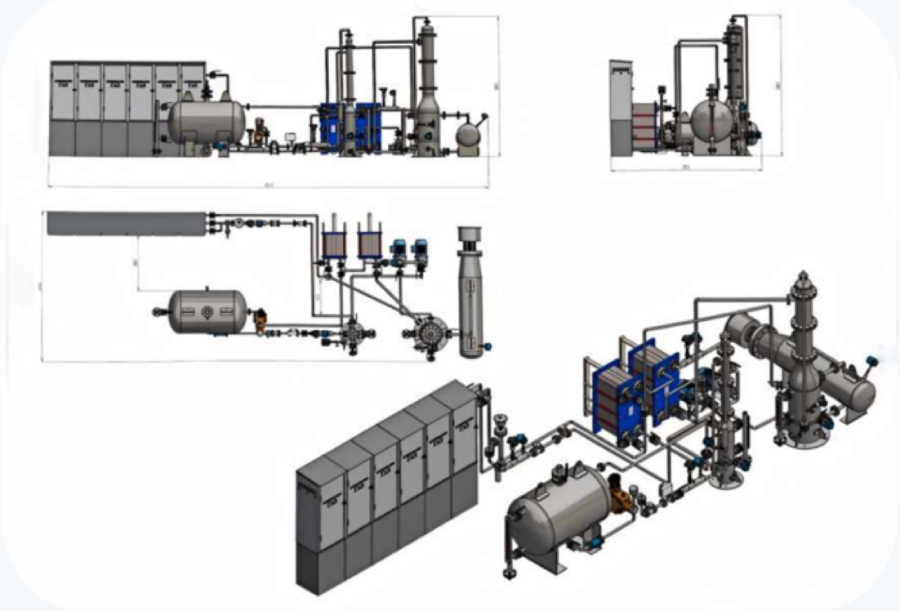
Design and delivery of large-scale CO2 storage tanks, transport pipelines, and marine jetty terminals for onshore and offshore CCS projects. Our infrastructure solutions enable permanent sequestration, cross-border CO2 transport, and hub-based CCS development.

CO2 Membrane Capture & Low-Carbon Solutions via Composite Guanidine Sulfate Solution Decarbonization

Deployment of membrane-based CO2 capture systems for offshore and onshore operations. Our technologies support CO2 separation, reuse, sequestration, and storage simplifying post treatment; low energy consumption in which captured CO2 can be stored/transported at ambient conditions ; storage ratio up to 1:60 ( vs 1:600 for liquefaction); low upfront CAPEX.

Decarbonization & Compliance Enablement

Integrated solutions supporting emission-intensity reduction, carbon credit frameworks, and regulatory compliance for energy and industrial operators.

Customer Pain Points

01

Complex feed gas with large swings in CO2, temperature, and pressure

02

High energy consumption and elevated operating costs

03

Tightening environmental requirements, emissions not meeting standards

04

Difficulty selecting the process, suboptimal technology matching

05

Long delivery cycles and insufficient equipment stability

Our Value Proposition

Precision Fit

Tailored decarbonization solutions that are the most economical and efficient for your needs.

Energy Saving

Advanced processes that significantly reduce operating energy consumption

One-Stop Delivery

From technology licensing and engineering design to core equipment design to core equipment manufacturing, we take full responsibility end to end.

Stable and Reliable

High-quality equipment and intelligent control to ensure long-term stable operation.
Process Route Technical Principle Core Advantages Key Limitations Environmental Performance
Amine-Based Decarbonization Chemical absorption & regeneration High purity, mature technology, wide applicability, relatively high investment High energy consumption Amine wastewater and off-gas emissions
Membrane Separation Decarbonization Physical sieving & solution-diffusion Low energy use, modular, small footprint, no chemicals, high upfront CAPEX* chemicals, high upfront CAPEX*
High pretreatment requirements; higher CH4 loss rate
No “three wastes” discharge
Composite Guanidine Sulfate Solution Decarbonization Physicochemical absorption Shared unit for CO2 capture & storage simplifying post-treatment; low energy consumption; captured CO2 can be stored/transported at ambient conditions; storage ratio up to 1:60 (vs. 1:600 for liquefaction); low upfront CAPEX None No “three wastes” discharge

Technical Principle

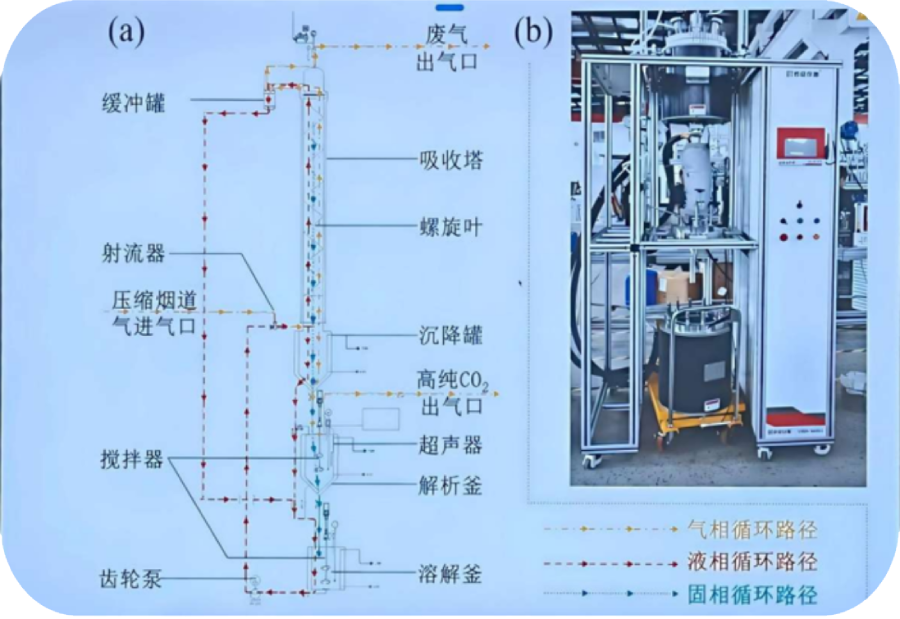
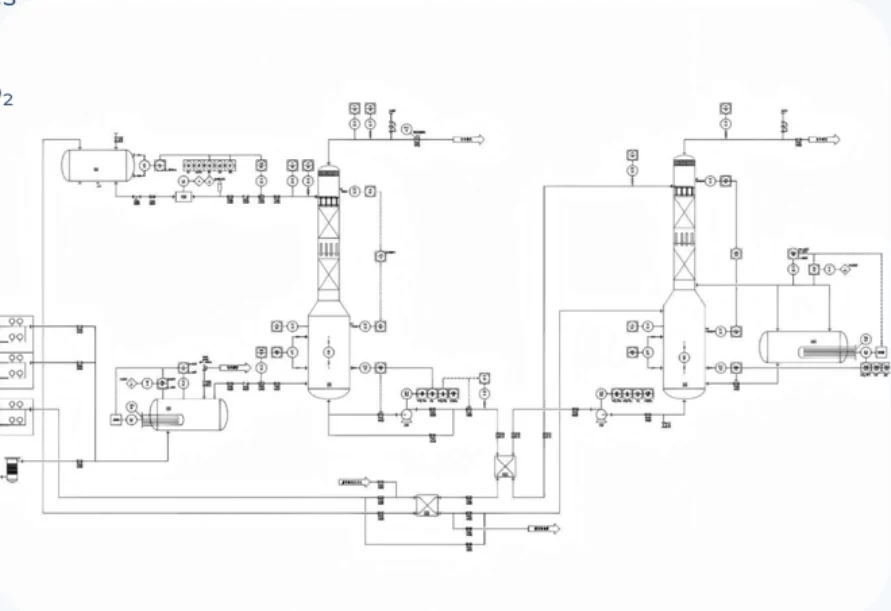
During absorption, guanidine sulfate solution both physically dissolves large amounts of CO2@Gua2SO4. During regeneration, heating releases CO2 from the inclusion compound and restores the lean solvent.

Key Features

  • Regeneration energy is 20%-40% lower than conventional MDEA.
  • Chemically stable solvent with fewer degradation products and lower operating cost.
  • Low corrosivity extends equipment life and reduces capital needs.

Applicable Scenarios and Operating Range

  • Onshore plants: wide tolerance to pressure and concentration, especially suitable for high CO2 partial pressure.
  • Offshore platforms: no special constraints identified.

Note: The process is currently suited to relatively clean natural gas streams. Handling gas with higher sulfur and other impurities is under development.

Pilot Unit for the Guanidine Sulfate Decarbonization Process

Let’s get in touch

Fill in your information and we will contact you shortly.