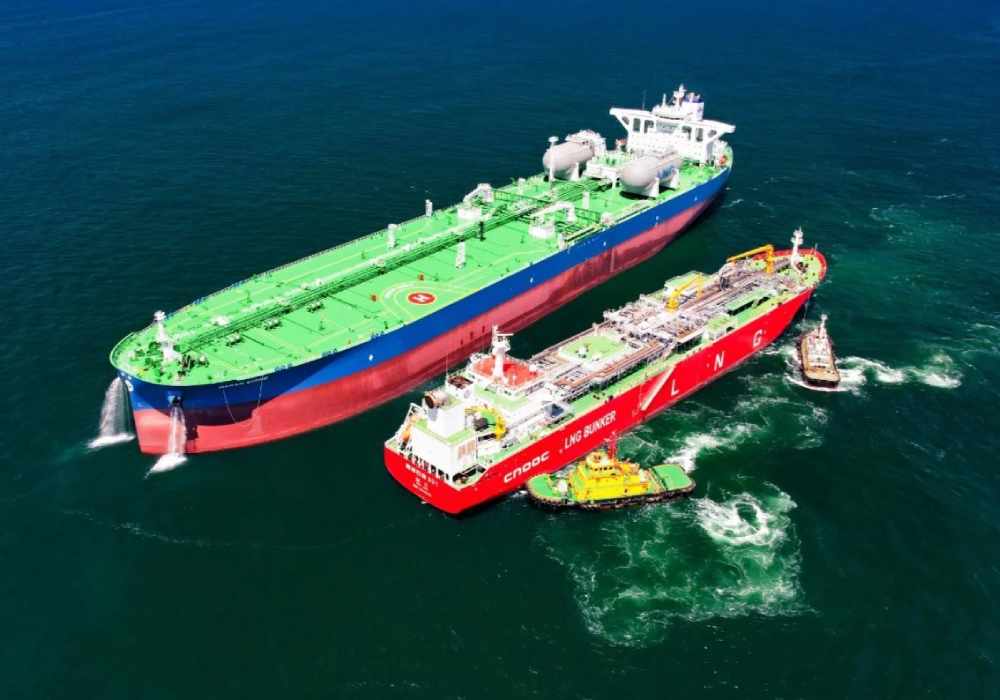
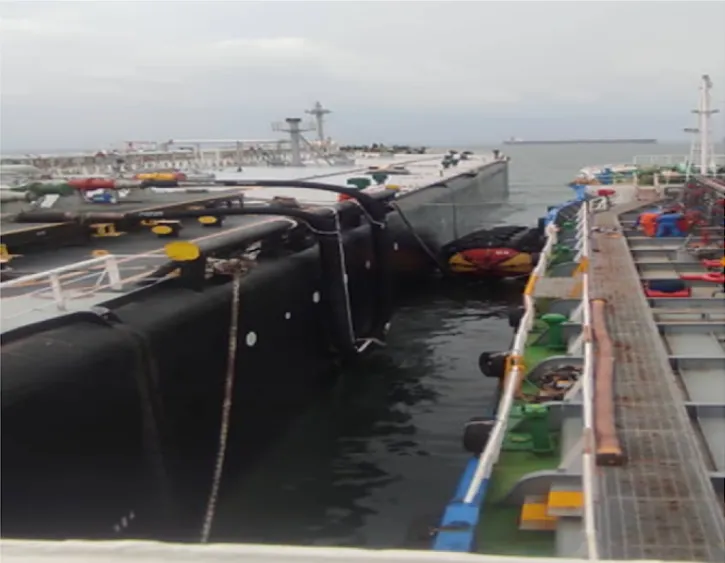
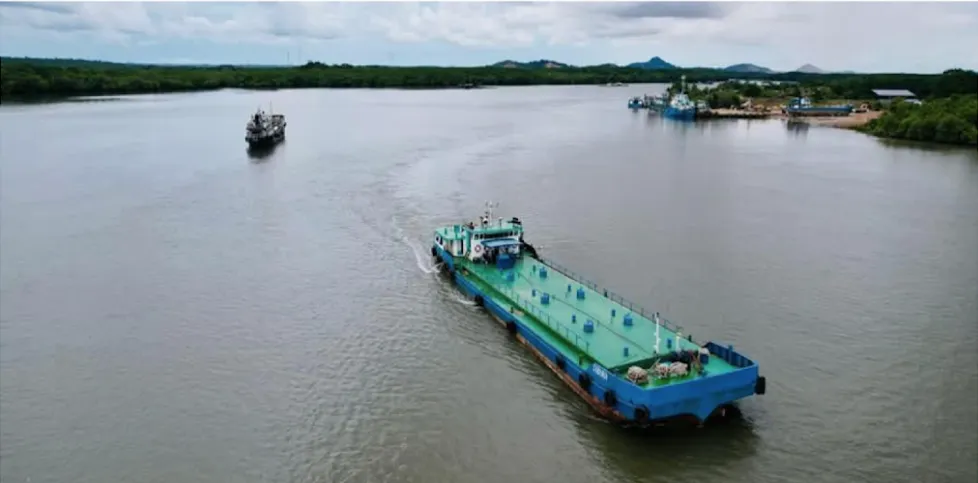
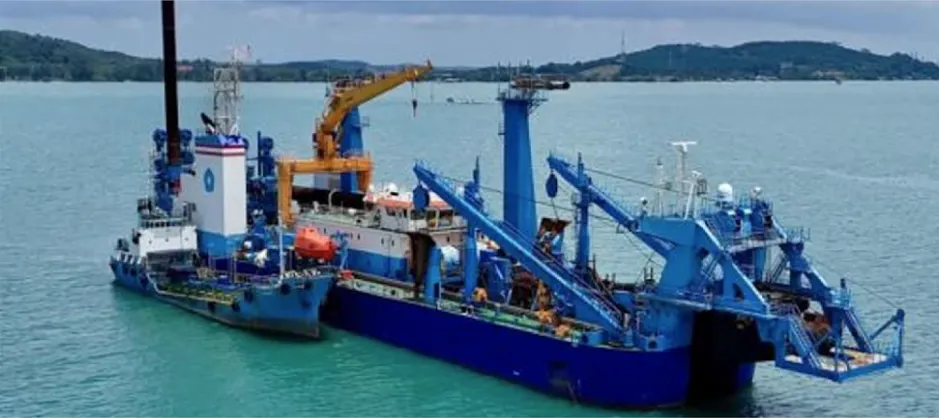
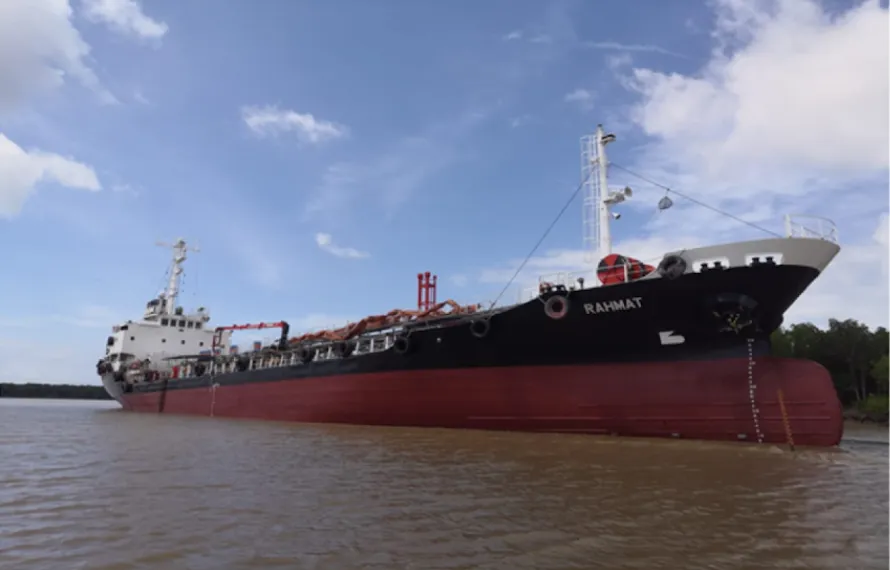
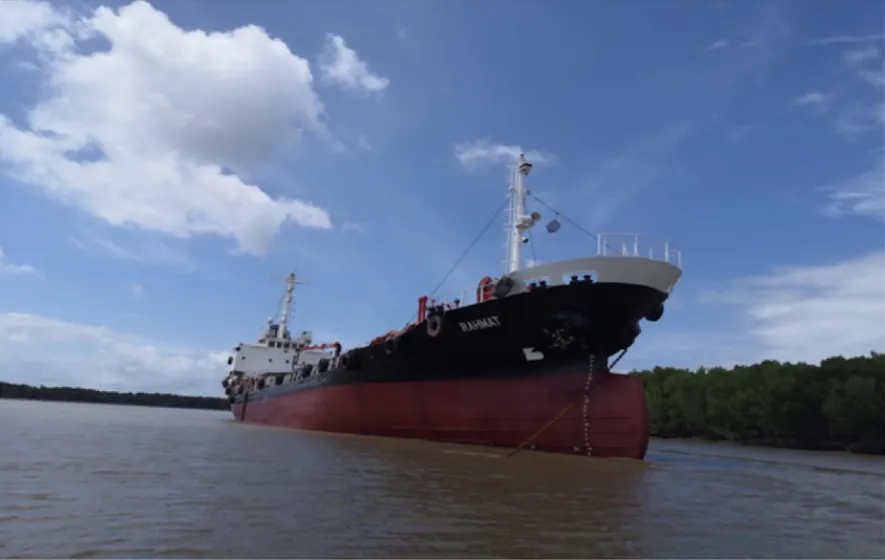
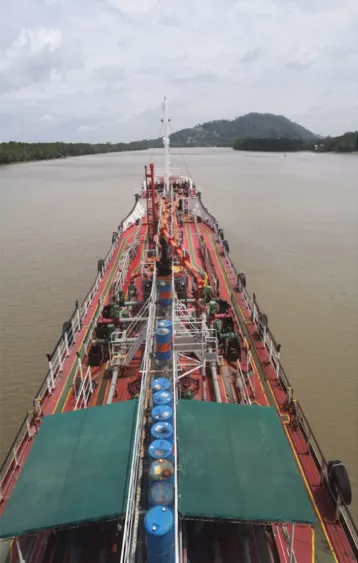
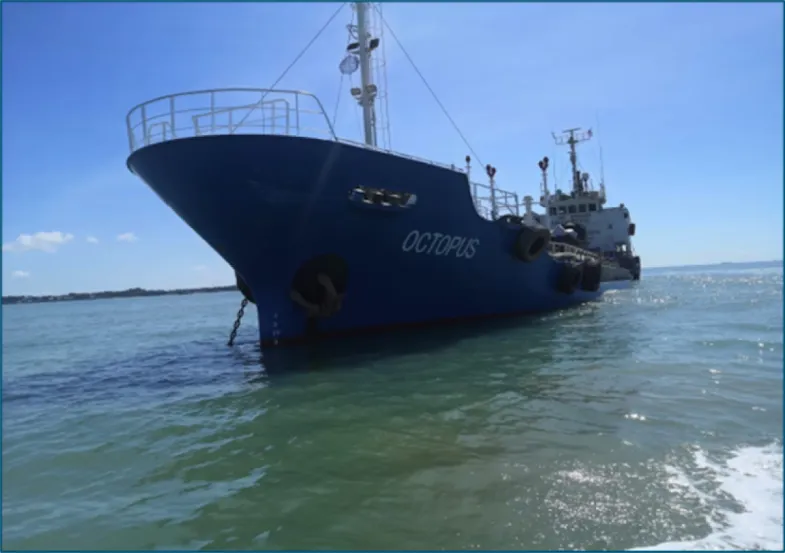
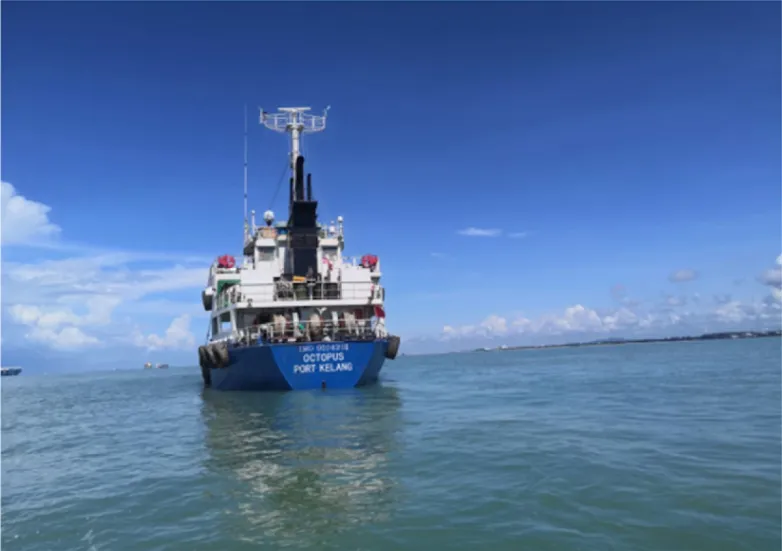
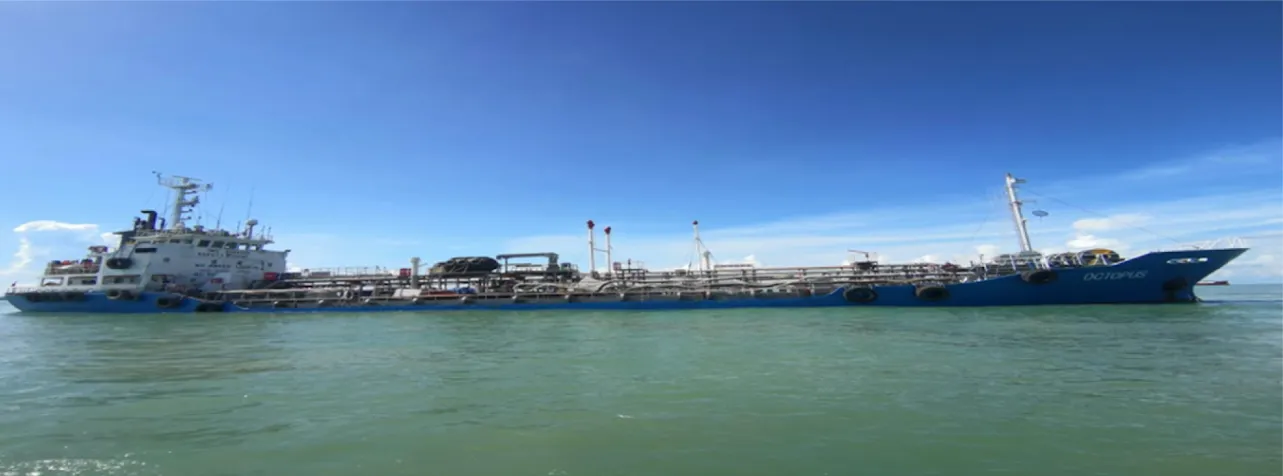
Ship-to-ship bunkering involves pumping marine fuel from a bunker vessel to a receiving ship using hoses and controlled systems. The operation follows strict procedures to ensure accurate fuel delivery and safe transfer.
Strong safety measures are required to prevent spills, fires, or collisions during bunkering. This includes proper mooring, constant communication between vessels, and spill-response equipment to protect the marine environment.
This method allows ships to receive fuel without occupying a berth at a terminal, saving time and reducing port congestion. It provides flexibility for vessels to bunker at convenient locations and maintain tight sailing schedules.
The Engine Control Room (ECR) is a critical area in ships, power plants, or any industrial facility where engines and mechanical equipment are monitored and controlled. It is designed for operational control, supervision, and troubleshooting of engine systems.
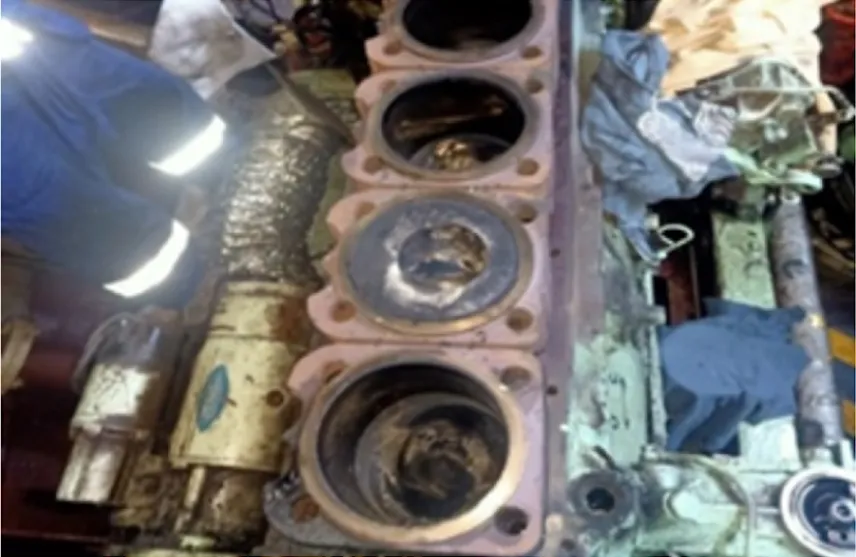
When it comes to engine renewal and overhauling works, these processes are part of the regular maintenance or rehabilitation of engines or machinery. These activities ensure that the engine systems are performing optimally, comply with regulations, and extend their service life.
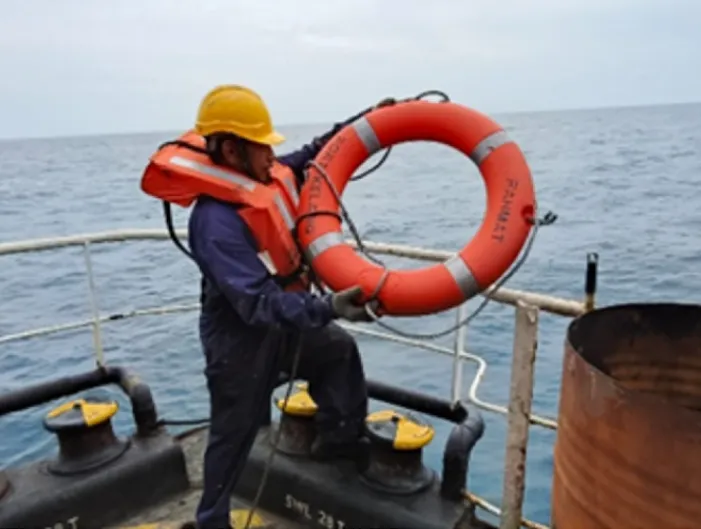
On board ships, Life-Saving Appliances (LSA) and Fire-Fighting Appliances (FFA) are critical for ensuring the safety of the crew and passengers in emergencies. These items are regulated by international conventions, such as the International Maritime Organization (IMO), specifically under the SOLAS (Safety of Life at Sea) convention.
YSK Marine Sdn Bhd is a trusted and experienced supplier of diesel adn related services, catering to a wide range of industries, including construction, manufacturing, and ferry terminals. With extensive years of experience, we offer not only reliable diesel supply but also rental equipment such as skid tanks, road tankers, and tank cleaning services.
This service covers the safe and efficient transfer fo potable water from a supply vessel to a receiving ship at sea or anchorage. The process includes pre-transfer coordination, mooring, water quality testing, hose connection, real-time monitoring, and post-transfer documentation. The operation adheres to international standards (WHO, IMO, MARPOL) to ensure water safety and environmental compliance.
The service is available at anchorages, coastal areas, and open sea, catering to merchant ships, offshore vessels, naval units, and cruise ships. Key steps include risk assessments, secure vessel positioning, and the use of food-grade hoses and disinfection protocols. Water quality is verified before transfer to meet health and safety regulations.

Freshwater is typically sourced from shore-based suppliers who maintain large storage tanks and provide water that meets international standards, ensuring it is potable and free form contaminants.
Using a high-pressure pump capable of delivering approximately 100 tonnes per hour — with potential upgrades to 200 tonnes per hour — enables a faster and more efficient freshwater supply, even with just 24 hours’ notice.